RateTiger

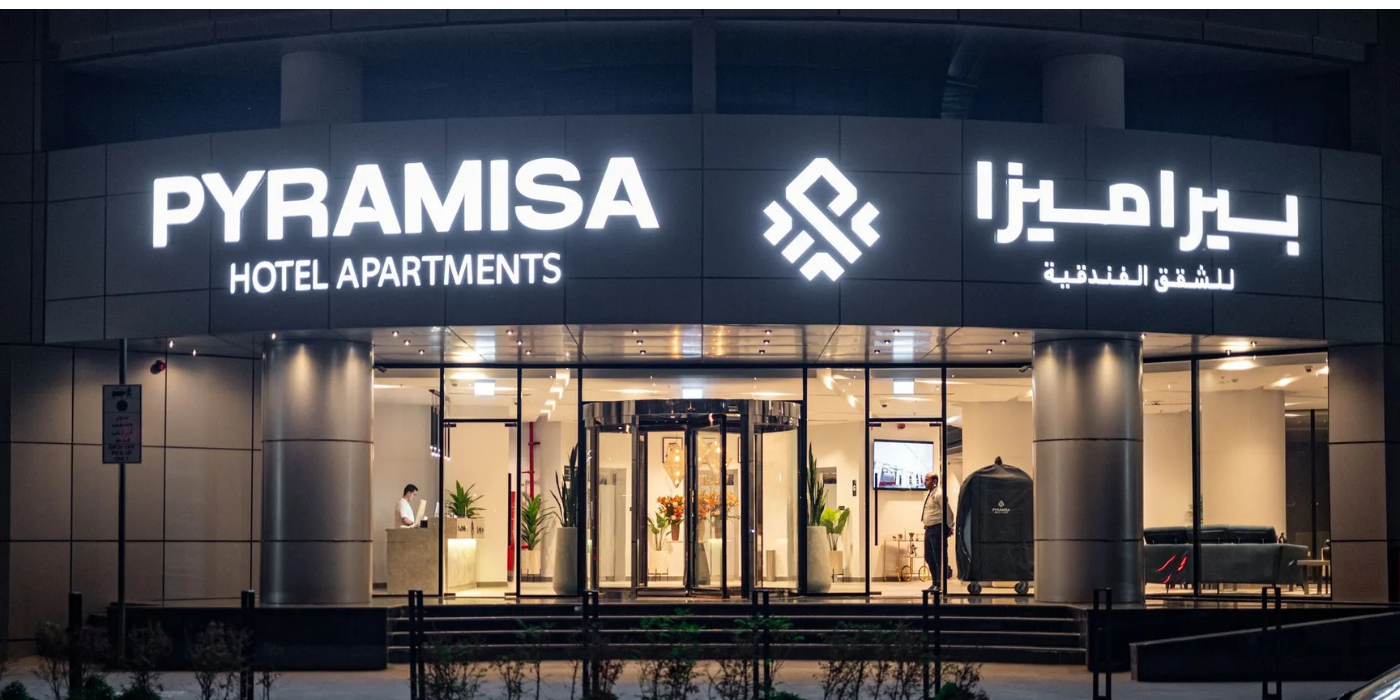
Pyramisa Hotel Apartments Dubai Boosts Booking.com Reservations with RateTiger Integration

Press Release
Pyramisa Hotel - RatetTiger

Dubai, 30 November 2025


Streamlining operations, preventing overbookings, and driving targeted sales through automation

Pyramisa Hotel Apartments in Dubai has witnessed a remarkable increase in Booking.com reservations since leveraging RateTiger solution. By implementing new rate plans through the Booking.com Promotion API, the property has optimized its pricing strategy, improved guest targeting, and enhanced overall booking performance. 

Located in the heart of Dubai, Pyramisa Hotel Apartments offers a blend of modern comfort and convenience for both leisure and business travelers. The hotel is known for its spacious accommodations, world-class amenities, and exceptional service that cater to guests from across the globe.

RateTiger’s intelligent AI-powered system proactively prevents overbookings by identifying potential conflicts in advance and automatically adjusting reservation mapping. This ensures hotels never accept more bookings than available inventory, safeguarding their reputation and maximizing guest satisfaction. 

Through seamless integration with Booking.com’s dynamic pricing engine, RateTiger enables hotels to optimize room rates based on demand, seasonality, and competitor pricing. The platform also provides comprehensive reports on future check-ins, cancellations, and revenue forecasts, empowering hoteliers with actionable insights for smarter decision-making. 

Manual mapping of rooms and rates can be tedious and error-prone. RateTiger’s AI Mapping Tool automates this process, ensuring accurate room-rate alignment between Booking.com and RateTiger. This automation not only saves time but also ensures real-time accuracy across platforms. 

RateTiger simplifies promotion management by allowing hoteliers to create and manage Booking.com promotions directly within the RateTiger platform. This eliminates the need to toggle between systems, saving time and reducing operational errors. 

To help hotels stay ahead in the market, RateTiger provides regular competitor rate analysis for Booking.com. This valuable data enables hoteliers to fine-tune their pricing strategy, maintain competitiveness, and optimize revenue without compromising on profitability. 

“It’s important to reach out and respect our high-value customers, and the creation of Country Rate Plans enables us to do this. To be able to create exact promotions and have a system intuitively map the correct room types without our input saves us time, and directly empowers our properties to targeted sales,” said Mr Amr ELhassanein Ahmed, Group Head of Pyramisa Hotels. 


Share this on

Top 10 Digital Trends Transforming the Hospitality Industry in 2026

All Blogs
Unified hotel management platform

A shift is taking shape as hotels adopt tools that guide decisions with clear data and simple automation. This shift brings higher accuracy, leaner tasks, and stronger guest control. These changes show how hospitality industry trends 2026 are shaping the way hotels run daily tasks and long-term plans.

1. Smart Rooms Built on Real Guest Intent

Smart rooms are no longer tied only to sensors and preset triggers. In 2026, rooms respond to guest intent with better logic. Guests adjust lights, temperature, and content through one simple interface. These updates cut manual effort for staff. They also push smart hotel technology 2026 toward more natural control.

2. Unified Guest Profiles

Hotels build one profile for each guest. All guest actions link to this profile. Staff view stay history, room likes, and service habits in one simple screen. This cuts wait time and reduces errors. It also helps teams offer faster replies.

3. Contactless Everything

Check-in, check-out, payments, upgrades, and issue reports now run through mobile flows. These flows remove long waits at the front desk. Guests move at their own pace. Hotels run fewer manual steps. Staff spend more time on high-value work.

4. Predictive Demand Planning

Hotels forecast room needs with short and clean data sets. The goal is to set the right price at the right time. Teams adjust rates for nearby events, past stay trends, and booking speed. This trend also ties into strong hospitality management software that supports price logic and room control.

5. AI Support for Guests and Staff

AI tools give fast answers to common guest needs. They handle simple tasks like late check-out requests or lost item reports. Staff gain support for shift planning, task routing, and property alerts. AI helps reduce delays in problem areas.

6. Connected Back-Office Systems

Teams use a Unified hotel management platform to join booking engines, PMS, CRS, channel tools, housekeeping apps, and payment systems. This connection removes extra data entry. Hotels reduce errors caused by manual sync. It also supports faster onboarding for new staff.

7. Dynamic Room Packaging

Room packages now change based on time, demand, and guest type. A guest gets a custom mix of room, add-ons, and simple upgrades. Hotels increase the chance of conversion. This becomes a strong trend among hospitality industry trends 2026, where real-time data controls each offer.

8. Automation for Daily Hotel Tasks

Automation triggers simple tasks such as room status updates, booking sync, refund alerts, and payment checks. Staff get clear updates without added work. This cuts delays and stops task overflow during peak hours.

9. Data Security Built into Each Layer

Hotels handle larger volumes of guest data. Systems now carry stronger access rules and smart checks. Staff track changes and avoid mistakes early. Guests trust digital flows more when data stays secure.

10. Smart Hotel Tools for Energy Control

Hotels use sensors that manage energy in empty spaces. Rooms adjust cooling based on check-in times. Water use drops through smart controls. These systems bring long-term cost savings. They also link to smart hotel technology 2026, where smart control supports better planning.

Unified hotel management platform

How These Trends Shape Daily Hotel Workflows

These shifts cut manual errors and link guest touchpoints under one clear path. Teams move faster because each tool speaks to the next. This reduces confusion and keeps actions in sync. A strong Unified hotel management platform becomes the missing piece that connects departments.

When hotels run with stable sync, they avoid overbookings. They update prices in seconds. They track demand trends with clean data. These ideas also support hospitality management software that gives real-time views of bookings, rates, and room status.

Why Hotels Need Strong Digital Control in 2026

Hotels handle more channels, more guest requests, and more time-sensitive updates. Without automation and connection, tasks slip. Trends like smart rooms, predictive pricing, and connected systems reduce this risk. They support strong decisions backed by simple and clear data.

Each trend supports a hotel’s need to stay visible, stay present, and stay responsive. As hospitality industry trends 2026 continue to grow, hotels will need stable tools that avoid manual load and build clear workflows.

Our Role in Supporting These Digital Shifts – RateTiger

We support hotels with powerful tools that bring all room rates and availability into one single screen. Our platform updates channels in real time, so teams avoid delays and price mismatch. Hotels using our tools record 20% to 25% growth in online bookings because they stay visible at the right time.

We connect with 450+ online channels and partner systems. Our network includes 400+ distribution channels and 150+ technology partners. This helps hotels gain stronger reach and control. Our system handles over 612+ million ARI updates each year. This brings smooth sync, clean data, and accurate results.

We offer a strong Unified hotel management platform built to support price control and booking updates. Our tools also support teams using hospitality management software by feeding clean and real-time data across systems. As smart tools rise in 2026, we help hotels stay active on all channels with less effort.

Get in Touch

Enhance your reach with our connected booking tools. We help hotels gain real-time control, stronger visibility, and smooth rate sync. Reach out to us to see how we support growth with our channel and booking tools. We are ready to guide your team forward.

 
Share this on

The Complete Guide to Hotel Channel Management: Everything You Need to Know

All Blogs
best hotel channel manager

Strong rate control shapes how rooms sell across online platforms. Hotels use systems that sync prices, map rooms, and update availability within seconds. These tools reduce errors and guide teams with clear data. This shift shows why a modern hotel channel management system is now central to hotel operations.

Why Channel Management Matters Today

Hotels list rooms across many online platforms. Each platform needs correct rates, stock, and rules. Manual updates create mistakes. These mistakes lead to wrong rates or double bookings. A channel manager removes this risk by pushing updates to all platforms at once. This keeps bookings accurate and stable.

How a Hotel Channel Management System Works

A hotel channel management system sits between the hotel’s booking tools and online travel sites. The system reads room stock and prices. It sends updates instantly to each channel. When a guest books a room, the system reduces availability and pushes the new count across all platforms. This flow keeps information clean.

The system also stores rate plans. Hotels can set rules based on dates, seasons, stay length, or room type. These rules adjust prices across all channels. Staff avoid repetitive tasks. They spend less time fixing errors and more time improving guest service.

Why Hotels Need a Channel Manager

A channel manager helps hotels stay visible. More visibility brings more bookings. The system also supports clear rate control. Hotels avoid underpricing or overpricing. They track which channels perform well. They adjust plans based on demand patterns.

The tool also helps remove stress during peak times. Staff do not rush to update each platform. The system handles it. It reduces human error and gives staff more confidence.

Types of Channels Managed

A strong system connects with a wide range of platforms. These include online travel portals, global booking engines, brand websites, and niche platforms. An OTA channel manager helps hotels reach travelers who compare deals across the internet. More reach gives hotels stronger control over bookings.

Some hotels also use packages, last-minute deals, and long-stay offers. A channel manager updates each offer across all channels. This keeps each plan aligned with stock levels.

Key Features Hotels Should Look For

When choosing the best hotel channel manager, hotels look for clear rate updates and reliable sync. They need clean reports and strong connections. A useful system offers:

  • Real-time rate updates
  • Instant availability sync
  • Smart mapping for room types
  • Simple rule settings
  • Clear logs and change history
  • Secure data processes
  • Strong connections with major platforms

These features give hotels stability. They reduce manual work and keep guest bookings accurate.

Common Challenges Hotels Face Without Proper Channel Control

Hotels that update channels by hand deal with mistakes. A rate change on one site does not match another. This mismatch creates confusion for guests. It also hurts brand trust.

Double bookings happen when one site sells a room already taken by another. Fixing these issues takes time. Guests feel frustrated. Staff lose confidence. A hotel channel management system removes these problems.

How Channel Management Helps Revenue Teams

Revenue teams depend on accurate data. They need clear views of booking pace, price shifts, and channel strength. A channel manager gives them clean numbers. These numbers help teams set the right rate at the right time.

Teams also track which channels give strong returns. They cut weak channels and push stronger ones. This data supports long-term planning.

The Role of Automation in Better Channel Control

Automation helps hotels handle busy days. When rooms sell fast, updates must be instant. A reliable OTA channel manager manages these peaks. It updates rates and stock across all platforms without delay. It gives staff more time for key decisions.

Automation also supports package updates. Hotels can push promotions across many channels at once. This avoids long manual work.

How Channel Management Improves Guest Trust

Guests want clear rates. They want real-time stock. When hotels use a stable system, guests see correct room counts and correct prices. This builds trust. Guests feel safe booking through any channel.

A strong system also keeps guest data secure. Hotels track changes with clean reports. This helps teams handle disputes with confidence.

How We Support Strong Channel Control – RateTiger

We help hotels manage room rates and availability in real time from one single platform. Our tools support stronger reach, clear sync, and stable updates. Hotels using our platform record 20% to 25% growth in online bookings due to better visibility and fast updates.

We connect with 450+ online channel and partner integrations. Our network includes 400+ distribution channels and 150+ technology partners. These connections help hotels expand reach and gain clean data across systems. Our platform processes over 612+ million ARI updates each year. This gives hotels steady sync and reliable control.

We provide a system that supports hotels looking for the best hotel channel manager. We also support teams using an OTA channel manager for wide global reach. Our tools help hotels cut errors and gain stronger rate control through real-time updates.

Get in Touch

We support hotels with strong rate control, instant updates, and wide network reach. Our tools help your team reduce errors and improve online growth. Contact us to learn how we bring clear control to your pricing and channel sync. We are ready to guide your next step.

 
Share this on

Understanding Rate Parity: Why It Matters for Hotels in MEA and How to Maintain It

All Blogs
hotel rate shopping

Strong rate control shapes how a guest sees a hotel. Prices move across many online touchpoints each day. A single shift on one channel can influence demand, trust, and future sales. This is where hotel rate shopping software becomes essential. Hotels use it to track prices, spot changes, and guide smart revenue moves. Clear insight into rates protects brand value and helps teams keep the market in balance.

Rate parity plays a central role in this process. Rate parity means keeping the same room rate across all channels. Many hotels in MEA deal with mixed demand, local platforms, regional OTAs, and global sites. When rates drift, revenue teams lose control. Guests notice those gaps and choose the cheaper source. That shift hurts brand trust and cuts profit. A strong setup prevents this slip and gives hotels greater control over their pricing story.

Why Rate Parity Matters So Much

Parity protects direct bookings. When a guest checks a price on the hotel site and then finds a cheaper rate on a third-party channel, they stop trusting the hotel site. Even a small gap changes their choice. Broken parity reduces value for direct traffic and increases OTA dependence.

Parity also supports strong market standing. Hotels that keep stable rates send a clear signal. Partners see that the hotel controls its prices. Guests see fair value. This helps the brand maintain a strong place in the market.

Rate parity also shapes revenue plans. If a hotel sets a forecast based on expected price ranges, broken parity breaks that model. Sudden undercuts by third-party channels reduce yield and limit upsell chances. Parity helps teams plan clear steps for high and low seasons. With the right tools, hotels can track competitor moves through hotel rate shopping and adjust with confidence.

Key Challenges for Hotels in MEA

Hotels across MEA use many channels. Some focus on local guests, some attract regional travelers, and many rely on global OTAs. Each partner may show rates in different ways. Some mark up. Some reduce. Some add unplanned promotions. These gaps create parity issues.

Opaque channels also add pressure. Certain platforms bundle rooms with flights or cards. These packages hide the actual room price. Guests then see a lower value once the package breaks down. The hotel may not even know this is happening.

Currency shifts create more gaps. When partners convert rates without real-time sync, small changes show up as rate drift. That causes confusion. It also sends a false signal on market value.

Without a strong rate shopper for hotels, the team must track each channel one by one. This takes hours. It also leads to missed errors. Demand in MEA moves fast, and slow checks hurt reaction time.

How to Maintain Rate Parity

Hotels need clear steps and strong tools. Below are core practices that help keep parity in place:

1. Use a real-time monitoring tool

A strong hotel rate shopper helps teams track every channel at once. It pulls live rates and alerts teams when a partner undercuts or shifts price. Fast alerts help fix the issue before it spreads.

2. Sync rates with a central system

Hotels should update rates from one place. A central setup lowers errors and prevents mismatched data across channels. Real-time sync also helps keep promotions aligned with planned rules.

3. Review partner behavior often

Teams must check partner terms and contract rules. Some partners add discounts without notice. Regular audits help catch these gaps. Clear talks with partners help keep long-term control.

4. Monitor competitor changes

Competitor shifts affect parity plans. A hotel rate shopping software gives clear insights into where the market is heading. This helps hotels protect their place and avoid price drops that harm value.

5. Set clear rate rules for the team

Everyone who handles pricing should use the same guidelines. This reduces errors and keeps updates aligned with strategy.

Ideas That Can Help Hotels Take Control

Some hotels treat parity as a daily task. Others use it to redesign how they operate. Here are ideas you can apply:

  • Build a rate map for each channel. Mark which channels follow rules and which often drift.
  • Track gaps over time. Spot patterns. Does one OTA undercut often?
  • Use alerts to act at the right moment instead of reacting late.
  • Link parity checks with demand checks. A drop in parity may signal market shifts.
  • Use your rate shopper for hotels to test planned offers. Confirm they appear as intended across partners.
  • Tie parity results to monthly targets to show its impact on revenue.

These ideas help hotels build a structured approach instead of random checks.

For more related blogs:

How We Help Hotels Maintain Rate Parity: RateTiger

Our platform gives hotels full control of rates and availability from one place. We built it to solve the daily issues revenue teams face. You get clean data, fast checks, and clear alerts. You act at the right moment, not after the damage is done.

Hotels across MEA use our hotel rate shopping tools to see live prices across channels. They track gaps, catch undercuts, and fix errors before guests notice. Our system keeps the rate flow steady and helps teams protect long-term value.

What You Get With RateTiger

  • Real-time rate and availability control from a single dashboard.
  • 400+ distribution channels for wide reach.
  • 450+ partner connections for strong visibility.
  • 612+ million ARI updates processed each year.
  • Clean insights with no clutter.
  • Simple steps for fast action.

Why Hotels Choose Us

  • Our tools support smart planning and smooth updates.
  • Our users often see 20% to 25% more online bookings once they gain rate control.
  • Our hotel rate shopper helps teams track competitors and spot market shifts.
  • Teams stay ahead of rate drift and keep parity tight across all key channels.

Rate Tiger gives hotels a stable base for strong pricing. You gain clear insight, fast sync, and full command over every channel. This helps your team protect revenue and maintain a strong place in the market.

Get in Touch

Take control of your rates with our all-in-one platform. We help hotels manage price, track channels, and protect parity with real-time updates. Our system gives clear data and strong reach. Contact us to see how we can support your revenue goals and help your team grow with confidence.

 
Share this on

The Future of Hotel Distribution in the Middle East & Africa: Trends Shaping 2026

All Blogs
hotel global distribution system

Strong distribution control shapes how guests reach a hotel. Prices, content, and room supply move across many systems at once. Each update affects demand and shapes the guest path. This shift makes the hotel global distribution system more important than ever. Hotels need tools that give clear data, quick sync, and full reach without added stress.

The Middle East and Africa will see wide growth in travel demand. That growth will change how hotels manage channels, guest touchpoints, and rate control. A strong setup will help hotels stay ready for fast shifts. It will also help teams build simple plans that work across markets and partner networks.

Why Hotel Distribution Needs New Ideas

Hotels in MEA now deal with new booking flows. Guests search across apps, social platforms, brand sites, and OTAs. They also use many payment styles and loyalty setups. This mix creates pressure on rate updates, room sync, and content checks. When a hotel uses slow systems, gaps appear. That leads to mismatched data and missed sales.

The global distribution system in hotel industry also plays a bigger part. Many agencies and travel partners rely on GDS data to check rates and rooms. Hotels that keep poor GDS sync lose reach. They also lose control of how they show up on partner screens.

As 2026 gets closer, hotels need tighter tools. They need stronger rate flow, quicker sync, and cleaner data. These steps help hotels stay ready for shifts in demand.

Trend 1: Stronger Use of GDS Systems

Many hotels in MEA rely on GDS partners for group demand, corporate travel, and agency sales. The need for GDS connectivity will rise. Agencies want live rates, rich content, and reliable inventory. Hotels that cannot send real-time updates lose trust.

A stable GDS in hotel setup helps hotels reach more segments. It also keeps the booking path clean. When the GDS receives the right data, agencies see the right price. That helps hotels keep rate control and avoid confusion.

Hotels that improve their GDS link also reduce manual updates. This saves time and avoids errors. It makes the full distribution plan more stable.

Trend 2: Direct Booking Focus with Smarter Tools

Many hotels want more direct traffic. They want fewer gaps across channels. They also want better profit control. A strong distribution setup supports this plan.

To do this, hotels will use tools that sync rates in real time. These tools send the same update to brand sites, OTAs, and the hotel global distribution system. This keeps prices aligned across all channels. It also helps reduce rate drift.

Hotels will also use simple content checks. These checks confirm that room photos, names, and features match across partners. When content stays clean, guests trust the channel. That helps boost conversions.

Trend 3: Multi-Channel Reach with Less Effort

Hotels will work with more channel partners by 2026. They will use OTAs, local travel apps, social booking tools, and GDS partners. This mix boosts reach but also increases work.

To avoid stress, hotels will use unified dashboards. These dashboards help teams push data to all channels at once. Hotels will send rates, rules, and rooms in one step. This reduces mistakes and gives teams more time for planning.

Wide reach also helps hotels use the global distribution system in hotel industry more wisely. Hotels can choose which partners to grow, which rates to push, and which markets to target. This brings more control to revenue teams.

Trend 4: Better Control of Rate Flow

Hotels will face more rate pressure in 2026. Guests can compare prices in seconds across many platforms. Small errors can cause big gaps. Hotels need strong control to stay competitive.

A central tool helps match all rate data with the GDS in hotel setup. It sends updates to each partner. It checks for gaps and alerts the team. This protects rate flow and helps hotels keep trust across all channels.

Good rate flow also shapes long-term plans. Teams can plan seasonal offers without fear of mismatched data. They can test ideas and track results with clarity.

Trend 5: Smooth Connection with Travel Tech Partners

Hotels in MEA use many tools. They use PMS systems, channel managers, CRS tools, booking engines, and GDS links. All these systems need stable connections.

Hotels will prefer tools that work well with many partners. They want wide reach with low setup time. They also want systems that handle high data loads. This becomes more important as channel counts grow.

A strong GDS connectivity setup supports all these steps. It brings clean data to partners and helps guests see the right rooms.

How RateTiger Strengthens Hotel Distribution for 2026

We help hotels control rates and availability from one place. Our platform sends real-time updates to all major channels. Hotels use our tools to cut errors and keep full control of their distribution setup.

What Hotels Gain With RateTiger

  • One dashboard for all rate and room updates.
  • 400+ distribution channels for strong reach.
  • 450+ partner connections for wide visibility.
  • 150+ technology partners for smooth setup.
  • 612+ million ARI updates processed each year.

How Our Tools Support Smart Distribution

  • Clean and fast sync with every connected channel.
  • Better use of the Hotel global distribution system.
  • Stable flow across all GDS partners.
  • Clear and simple data for strong planning.
  • Steady rate control across each market.

Why Hotels Choose Us for 2026

  • Users often see 20% to 25% growth in online bookings.
  • Teams stay aware of channel shifts with live data.
  • Hotels reach more guests with fewer updates.
  • Our tools help maintain a strong place in the global distribution system in hotel industry.
  • Reliable GDS connectivity supports consistent content and stable demand.

With RateTiger, hotels stay ready for the future. They gain full command of channel flow. They protect rate accuracy. They grow reach across all systems, including the GDS in hotel setup.

Get in Touch

Grow your reach with our all-in-one distribution platform. We help hotels manage rates, update channels, and stay strong across all GDS partners. Our system delivers clear data, fast sync, and wide reach. Connect with us to see how we support your distribution goals and help your team stay ahead.

 
Share this on

RateTiger